Maintaining oral and dental health isn't just about brushing your teeth; it also includes a range of daily habits that protect your teeth and gums from decay and inflammation over the long term. In this article, we go over the most practical tips for maintaining oral and dental health, whether or not you're undergoing orthodontic treatment.

Oral and Dental Health: Brushing the Right Way
It's recommended to brush your teeth at least twice a day, for two minutes each time, using a fluoride toothpaste. It's important to use a soft-bristled brush and move it gently in circular motions rather than strong horizontal strokes, which can damage tooth enamel and gums over time.
Flossing Daily
Brushing alone doesn't reach the spaces between teeth, where food residue and plaque build up. Flossing at least once a day significantly reduces the risk of tooth decay and gum inflammation in these hard-to-reach areas that brushing alone can't clean.
Paying Attention to Your Diet
Excessive sugar and soda consumption raises the risk of tooth decay, while calcium-rich foods such as dairy products, vegetables, and fresh fruits help strengthen tooth enamel and gum health. It's also best to drink enough water throughout the day, as it helps naturally clean the mouth between meals. For more general dietary guidance, you can check out
this bulletin issued by the World Health Organization.
Regular Dental Checkups
Even without pain or an obvious problem, regular dental visits (usually every six months) help catch issues at an early stage, such as the beginning of minor decay or mild gum inflammation, and treat them before they worsen and require more extensive intervention.
Avoiding Habits That Harm Your Teeth
Some everyday habits can cause cumulative damage to your teeth without you noticing, such as using your teeth to open packaging or wrappers, biting your nails, or grinding your teeth during sleep. Being mindful of these habits and avoiding them protects your teeth from unnecessary breakage or wear.
Oral and Dental Care for Seniors and Children
Some oral and dental health needs differ by age. Seniors may experience dry mouth due to certain medications, which increases the risk of decay, so it's recommended they drink more water and see a doctor if dry mouth persists. Children, on the other hand, need parental supervision while brushing until they master the correct technique themselves, while also keeping sugar in their snacks to a minimum as much as possible.
Signs That Call for an Immediate Dental Visit
Some symptoms shouldn't wait until your next regular appointment, such as persistent gum bleeding when brushing, sudden sharp pain in a tooth, or noticeable swelling in the gums or face. Seeing a dentist early in these cases prevents the problem from worsening and reduces the complexity of treatment needed later.
Oral and Dental Health with Clear Aligners
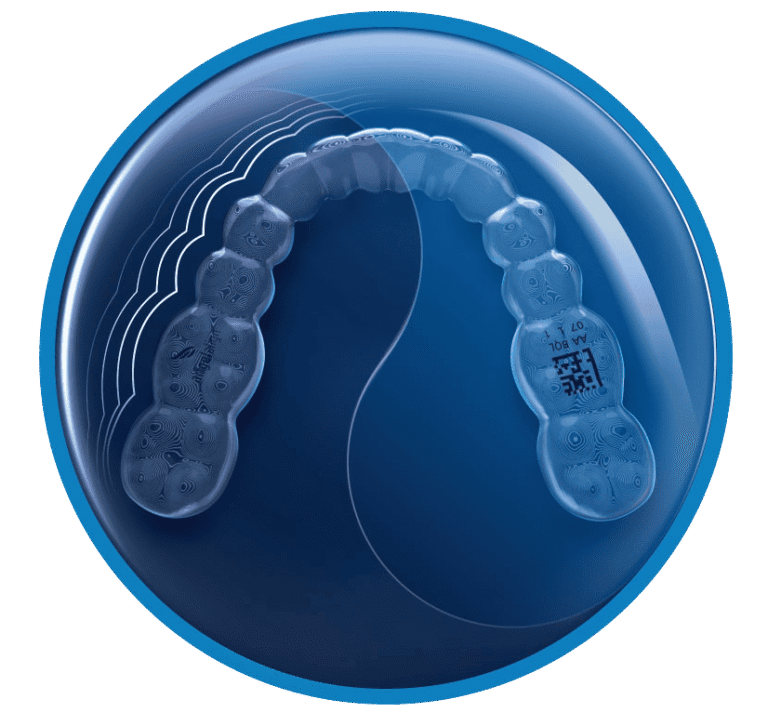
For those undergoing clear aligner treatment, these habits become even more important, since plaque buildup under the aligner can increase the risk of decay if teeth aren't cleaned thoroughly after each meal and before putting the aligner back on.
Choosing the Right Care Tools
Beyond brushing and toothpaste, a few additional tools can help raise your level of oral and dental health, such as antibacterial mouthwash, which reduces plaque buildup in hard-to-reach areas, and electric toothbrushes, which may offer more consistent cleaning for some people compared to manual brushing. It's best to consult your dentist about the tools most suitable for your particular case, especially if you're undergoing orthodontic treatment that requires extra care around aligners or brackets. It's also recommended to replace your toothbrush roughly every three months, or as soon as you notice its bristles fraying, since an old brush loses its effectiveness at removing plaque well and can become a breeding ground for bacteria. Daily attention to these small details helps maintain oral and dental health over the long term and reduces the need for complex treatments later. Building these habits from an early age makes them a natural part of your daily routine rather than an extra burden that's hard to stick to. For a regular checkup or to discuss any question about your oral health, you can
CONSULTATION REQUEST with one of our certified doctors, or check out
Your smile available at MDS.